
BlogDrainage Covers
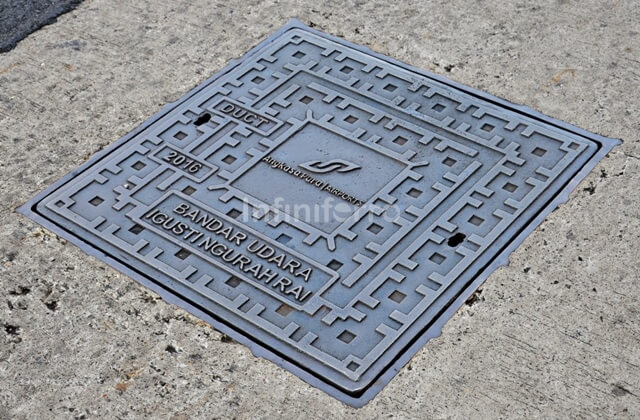
Manhole covers are an important part of drainage systems, utility infrastructure, and urban facilities. Although they may look simple, choosing the right manhole cover should not be taken lightly. Every location has different conditions, including vehicle loads, traffic intensity, and environmental exposure. For areas that regularly handle heavy loads, heavy duty manhole covers are an important consideration. This type of manhole cover is designed with a stronger construction to withstand higher loads and pressure, making it suitable for areas frequently used by heavy vehicles or intensive operational activities.
What is a Heavy Duty Manhole Cover?
A heavy duty manhole cover is designed for locations exposed to high loads and pressure. It generally has stronger materials and a more robust construction than manhole covers intended for lighter applications.
In addition to supporting vehicle loads, a heavy duty manhole cover needs to withstand pressure, impact, and repeated use. For this reason, its specifications should be selected according to the conditions of the installation area.
Several factors should be considered when choosing a heavy duty manhole cover, including:
- Vehicle loads
- Traffic frequency
- Road surface conditions
- Installation location
- Environmental conditions
- Required load capacity
- Project standards and technical specifications
Choosing the right specifications can help protect drainage channels and utility spaces below the surface while also supporting the safety of people and vehicles using the area.
Why Are Heavy Duty Manhole Covers Important?
Manhole covers installed in areas with heavy vehicle activity are exposed to repeated loads and pressure. If the load capacity is not suitable for the conditions, the risk of damage can increase.
Damage may include cracks, deformation, movement from the frame, or damage to the frame itself. Besides increasing maintenance costs, these problems can also create safety risks for vehicles and people around the installation area.
Heavy duty manhole covers are designed to handle more demanding conditions. When the right product is selected and installed correctly, the risk of damage and accidents caused by inadequate load capacity can be reduced.

Areas That Require Heavy Duty Manhole Covers
Not every location needs a heavy duty manhole cover. However, certain areas experience high levels of traffic and loading and therefore require a manhole cover with an appropriate load capacity.
1. Roads and Highways
Roads and highways are among the most common locations where high-load-capacity manhole covers are required. They are used by various types of vehicles, including private cars, buses, trucks, and other heavy vehicles.
Manhole covers installed on vehicle lanes are exposed not only to static loads but also to dynamic loads as vehicles move, brake, and turn. Therefore, roads with high traffic intensity require manhole covers that are suitable for the actual loading conditions.
2. Industrial Areas
Industrial areas typically involve a wide range of heavy vehicles and equipment, including trucks, trailers, forklifts, and other operational vehicles.
Manhole covers located along vehicle routes, factory roads, production areas, or loading zones need a robust construction that can withstand repeated heavy loads and intensive use.
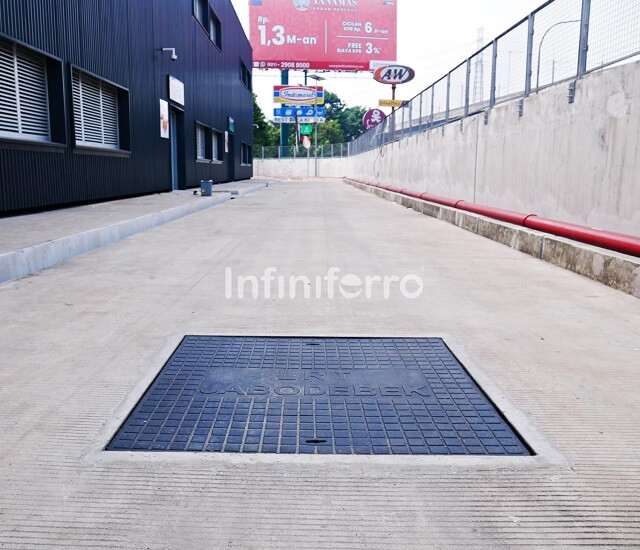
3. Warehouses and Logistics Areas
Warehouses, distribution centers, and logistics facilities often have high vehicle activity. Trucks and delivery vehicles regularly enter and leave these areas, particularly during loading and unloading operations.
If drainage channels or utility access points are located along vehicle routes, the manhole cover should have a load capacity that matches the activities taking place in the area. A heavy duty manhole cover can help keep utility access points protected without interfering with daily logistics operations.
4. Loading Docks
Loading docks are areas specifically used for loading and unloading goods. They can be exposed to significant loads from both vehicles and equipment such as forklifts.
Because these areas experience repeated pressure and loading, manhole covers installed around loading docks need to have sufficient strength for the operating conditions.
5. Heavy Vehicle Parking Areas
Parking areas for buses, trucks, trailers, and other heavy vehicles also require careful consideration when selecting manhole covers.
The weight of these vehicles can place significant pressure on the surface where the manhole is installed. If the cover does not have sufficient load capacity, damage may occur more quickly.
For this reason, the manhole cover should be selected based on the actual loads expected at the site.
6. Terminals and Transportation Areas
Bus terminals, vehicle depots, and other transportation facilities experience frequent vehicle movement. In addition to high vehicle volumes, some areas are used by heavy vehicles that stop, turn, and maneuver.
Heavy duty manhole covers can be used along vehicle routes to provide better protection for utility systems located below the surface.
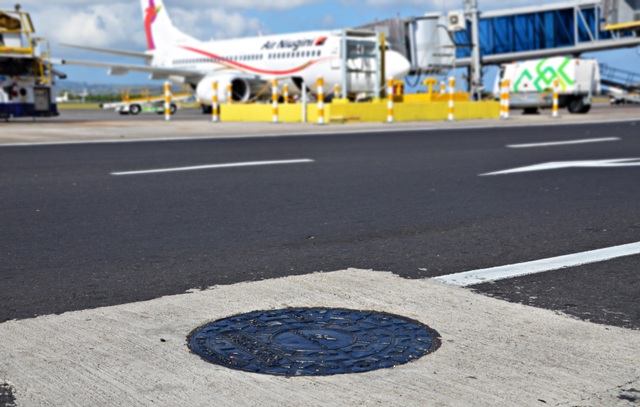
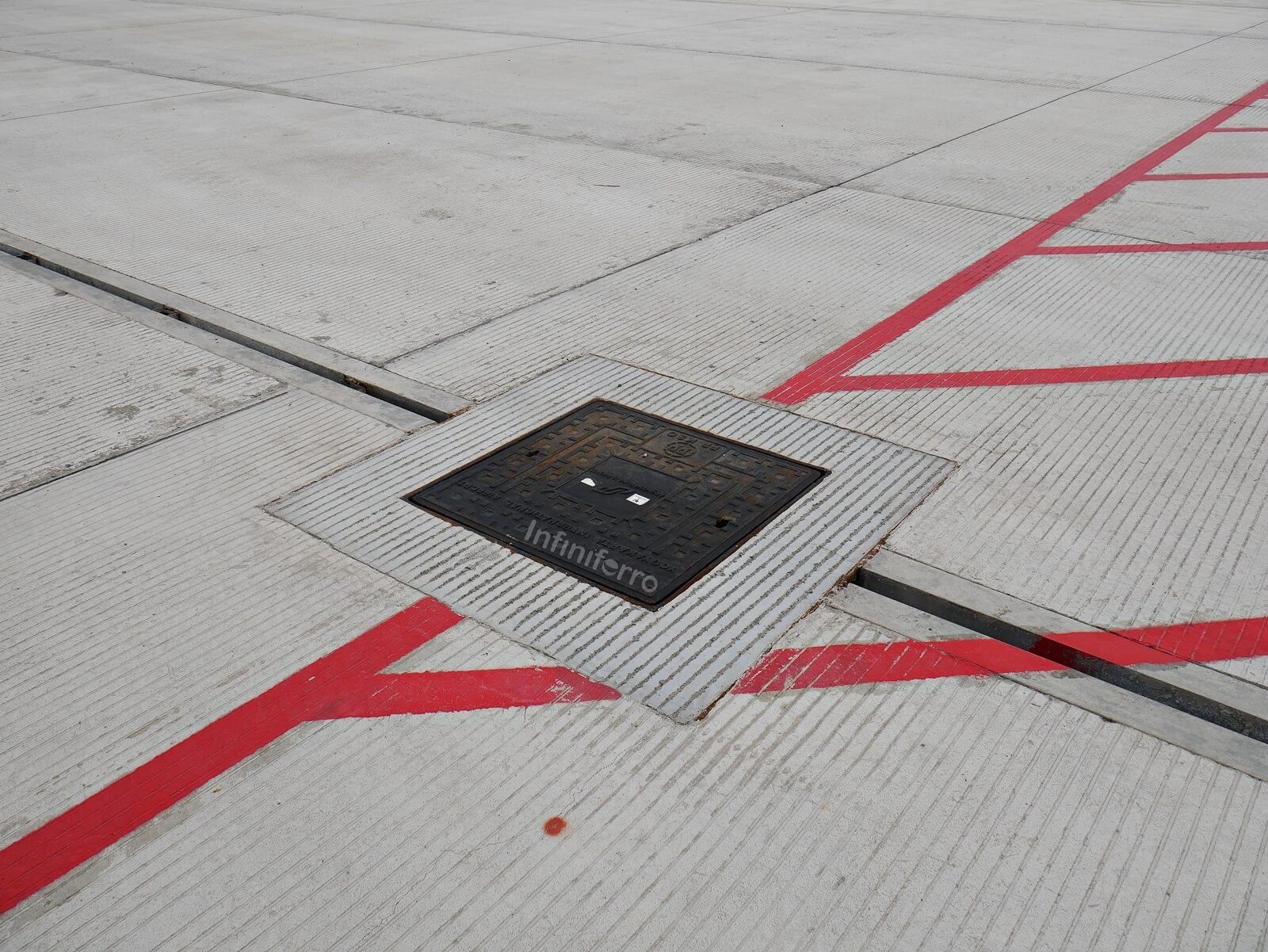
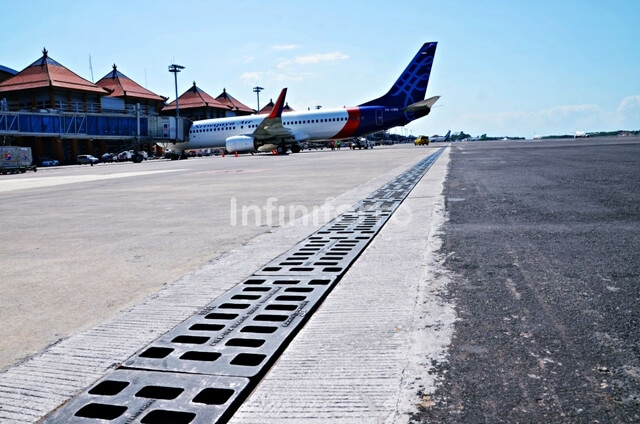
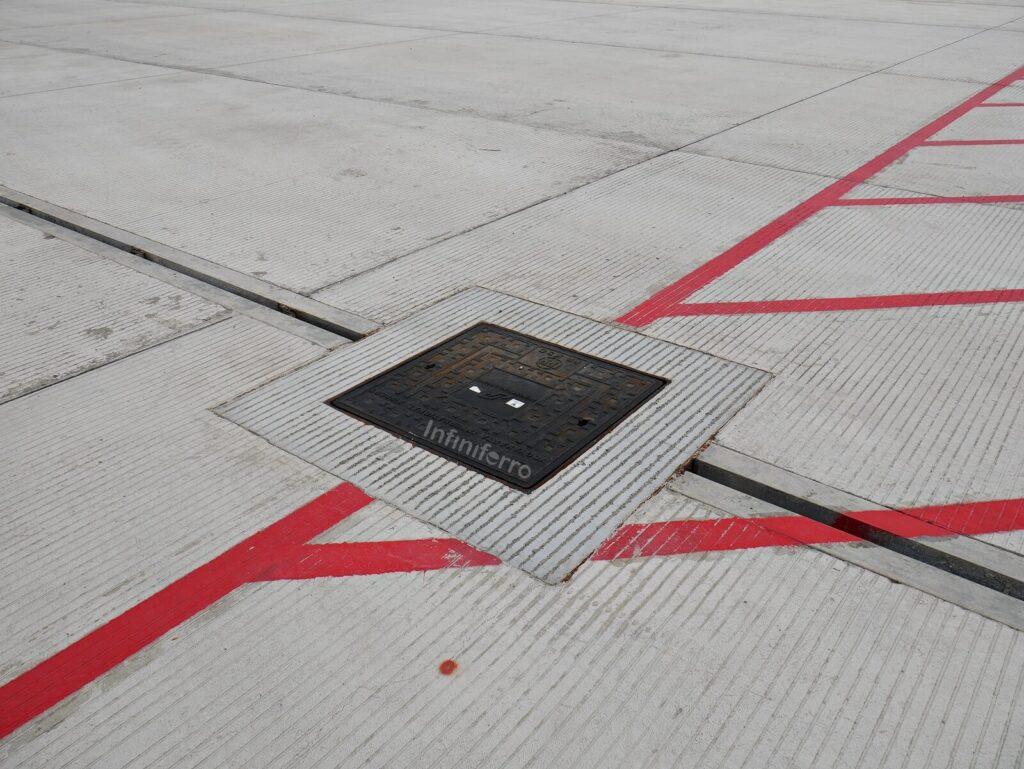
7. Airports and Aircraft Operational Areas
Airports have specific infrastructure requirements. In certain areas, manhole covers may be exposed to operational vehicles and support equipment carrying significant loads.
Therefore, manhole covers in areas with potentially high loads should be selected based on load calculations and the technical specifications required for the location.
In areas where heavy loads are expected, heavy duty manhole covers can help protect utility access points while supporting safe airport operations.
8. Ports and Warehousing Areas
Ports are areas with intensive logistics activities. Container trucks, operational vehicles, and heavy equipment may operate regularly throughout these facilities.
These conditions mean that drainage systems and utility access points in port areas require manhole covers with suitable load resistance. Heavy duty manhole covers can be used particularly along vehicle routes and operational areas exposed to heavy loads.
9. Internal Company Roads
Heavy duty manhole covers are not only needed on public roads. Internal roads within companies, plantations, industrial facilities, and other operational areas may also require heavy duty specifications.
Internal roads are often used by trucks and heavy operational vehicles. Therefore, assuming that internal roads always carry light loads can lead to an inappropriate choice of manhole cover specifications.
10. Mining Areas
Mining environments can involve demanding operating conditions. Large and heavy vehicles may travel across various operational routes.
If drainage channels, utility access points, or underground structures are located along these routes, the manhole cover capacity should be matched to the loads generated by the vehicles using the area.
A heavy duty manhole cover with the right specifications can help maintain safety and support the service life of the manhole system in high-load environments.
Does Every Manhole Need to Be Heavy Duty?
Not necessarily.
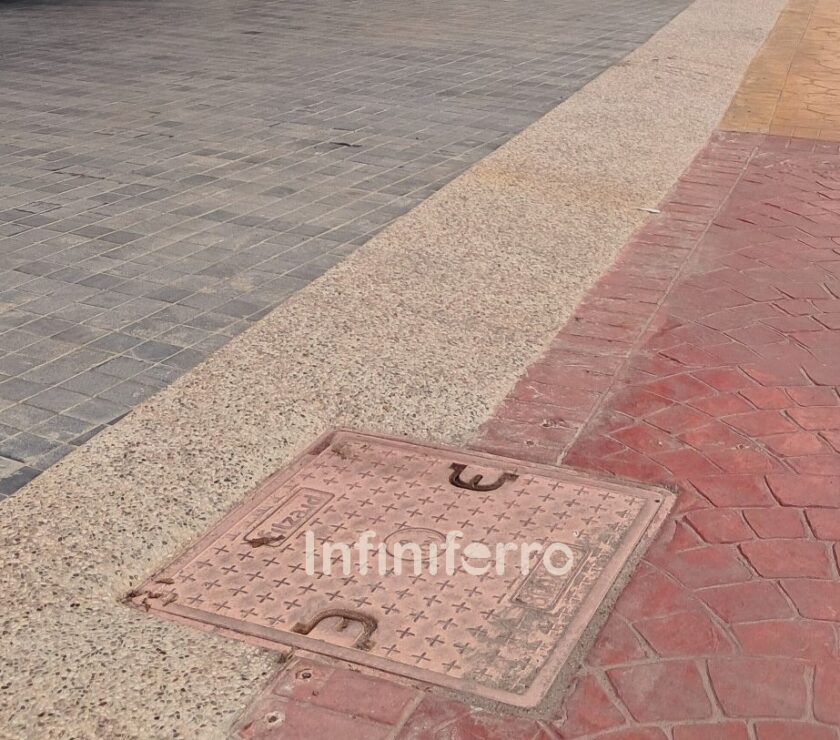
The use of heavy duty manhole covers should be based on the function and conditions of the installation area. Locations such as parks, sidewalks, pedestrian areas, or other areas exposed only to light loads may not require heavy duty load capacity.
On the other hand, manhole covers installed on roads, industrial areas, heavy vehicle routes, or locations with high vehicle activity need an appropriate load capacity.
In other words, choosing a manhole cover should not be based solely on its size or shape. The actual load and operating conditions at the site should be the main considerations.
Conclusion
Heavy duty manhole covers are designed for areas that require higher resistance to heavy loads. They can be used in a wide range of locations, including roads, industrial areas, warehouses and logistics facilities, loading docks, heavy vehicle parking areas, terminals, airports, ports, internal company roads, and mining areas.
However, this does not mean that every manhole needs a heavy duty specification. The type and load capacity of the manhole cover should always be matched to the actual conditions at the installation site.
Vehicle loads, traffic intensity, environmental conditions, material, construction, and applicable project standards are some of the key factors to consider. By selecting a manhole cover based on actual site requirements, the risk of damage can be reduced while providing better protection for drainage systems and underground utilities.