
Blog
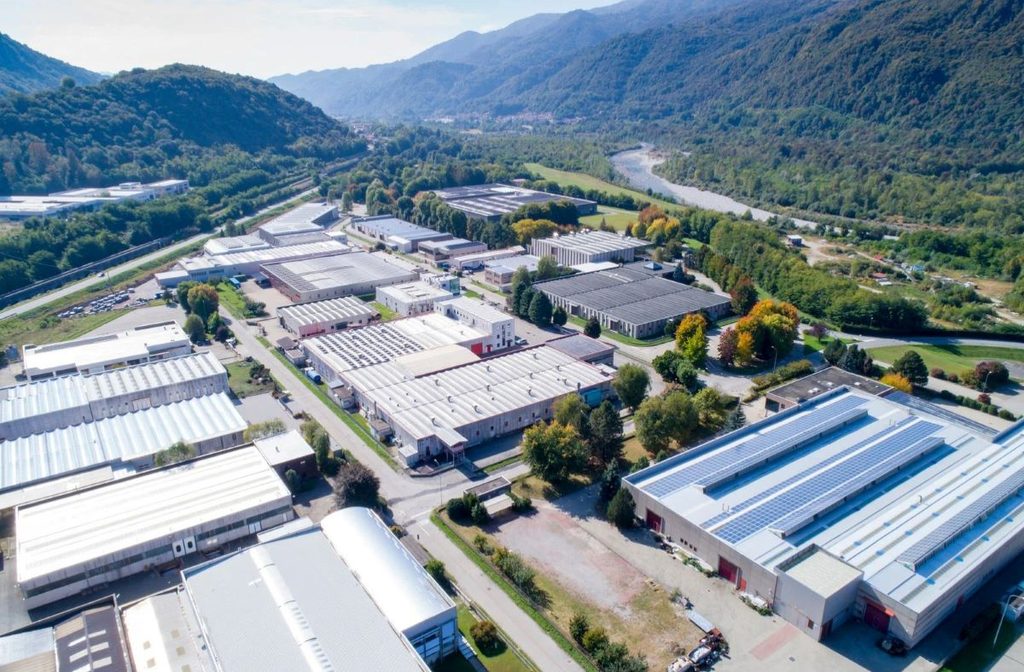
Drainage planning is not only important for roads, residential areas, and office buildings. Industrial and warehouse areas also need a well-designed drainage system to manage rainwater and prevent water from accumulating around important operational areas.
For industrial facilities and warehouses, poor drainage can create standing water around roads, loading areas, production facilities, and storage buildings. This can disrupt daily operations, affect vehicle movement, and potentially cause material losses.
So, what should be considered when planning a drainage system for industrial and warehouse areas in Saudi Arabia?
Understanding Industrial and Warehouse Areas
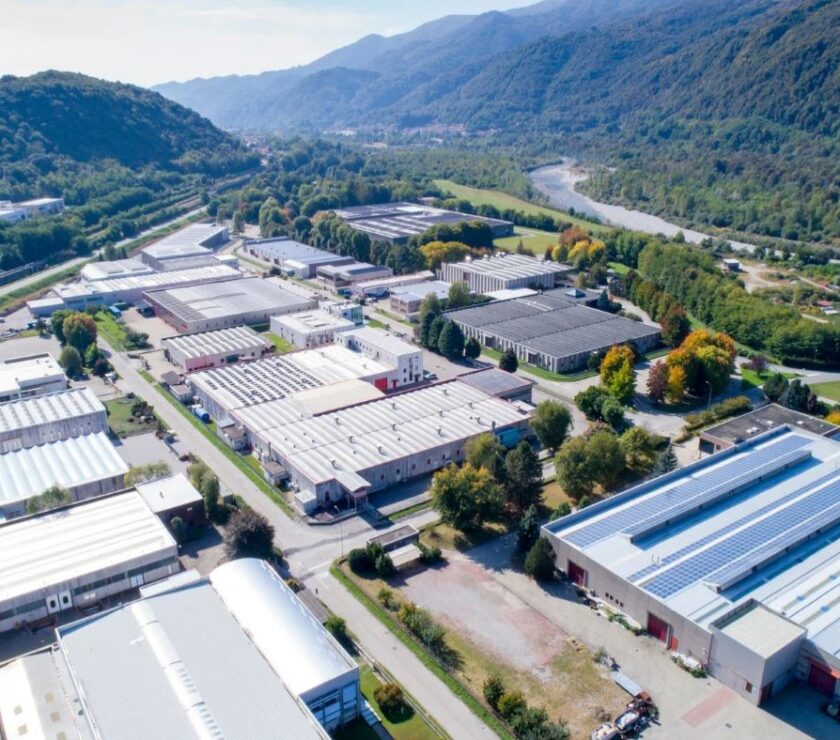
Industrial areas are large zones developed specifically for manufacturing, production, and other industrial activities. These areas generally include supporting infrastructure such as internal roads, water supply, electricity, utilities, and wastewater management systems.
Warehouse areas, on the other hand, are primarily used for receiving, storing, handling, maintaining, and distributing goods. Activities such as loading and unloading, truck movement, and material handling are common throughout the day.
Because these areas have different functions and traffic conditions, their drainage requirements should be considered during the initial planning and design stage.
Determining Drainage Capacity
Drainage capacity needs to be calculated according to the size and characteristics of the area being served.
For industrial areas, drainage planning should consider the site area and the design rainfall used for the project. The original planning reference considers a rainfall return period of 5 to 10 years.
For warehouses, the drainage system should be able to handle rainwater runoff from large roof areas as well as internal roads and surrounding paved areas.
A properly sized drainage system helps direct rainwater efficiently and reduces the possibility of standing water in operational areas.
Water Flow Systems in Industrial Areas
Industrial areas may have several water flow systems, each with a different purpose.
1. Clean Water Supply
The clean water or intake system carries water from its source to the plant utilities and other areas that require a water supply.
2. Stormwater Drainage
The stormwater drainage system is designed to collect and carry rainwater runoff through open or closed drainage channels.
Its main purpose is to prevent water from accumulating on roads, around buildings, and in other operational areas.
3. Industrial Wastewater
Industrial wastewater requires a dedicated drainage network designed to collect and transfer liquid waste to the wastewater treatment facility or WWTP.
Keeping stormwater and industrial wastewater systems properly organized is an important part of overall site drainage planning.
Drainage Systems for Warehouse Areas
Warehouse drainage systems can consist of several interconnected components, including:
1. Roof drainage
Roof drainage collects rainwater from warehouse roofs and directs it through vertical downpipes toward the ground drainage system.
2. Surface drainage channels
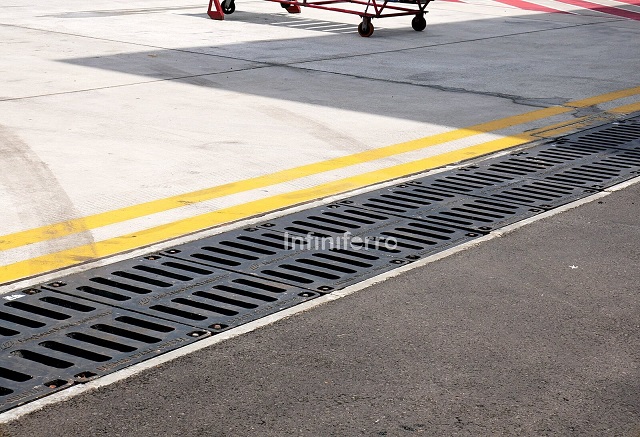
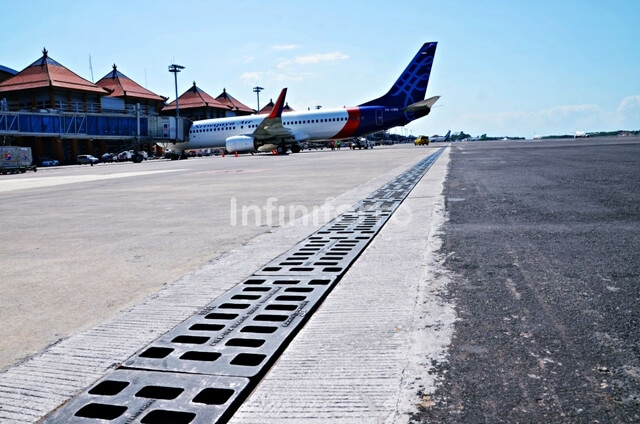
Drainage channels can be installed along internal warehouse roads and paved areas. Concrete channels, trenches, and culverts can be used depending on the site design.
3. Ground and floor slopes
Warehouse floors and surrounding ground should be designed with an appropriate slope toward drainage channels. This allows water to flow naturally instead of remaining on operational surfaces.
4. Retention ponds
A retention pond can provide temporary storage when rainfall produces a high volume of runoff. This can help reduce the immediate load on the drainage network.
Choosing the Right Drainage Material
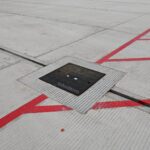
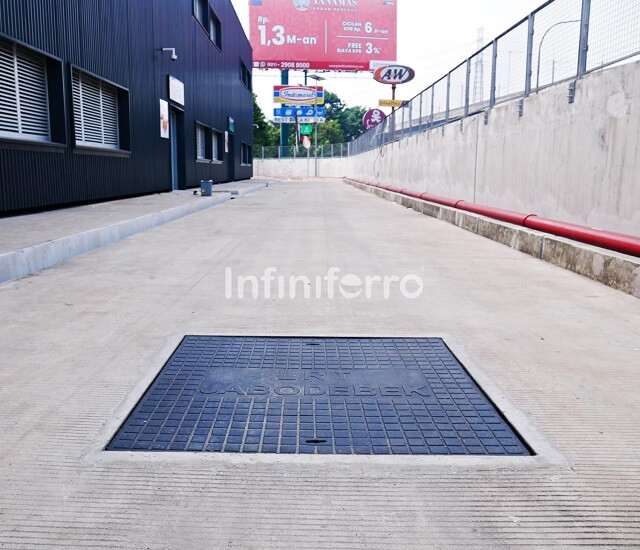
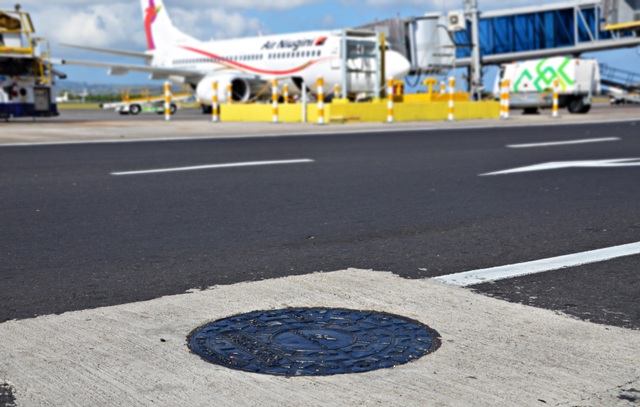
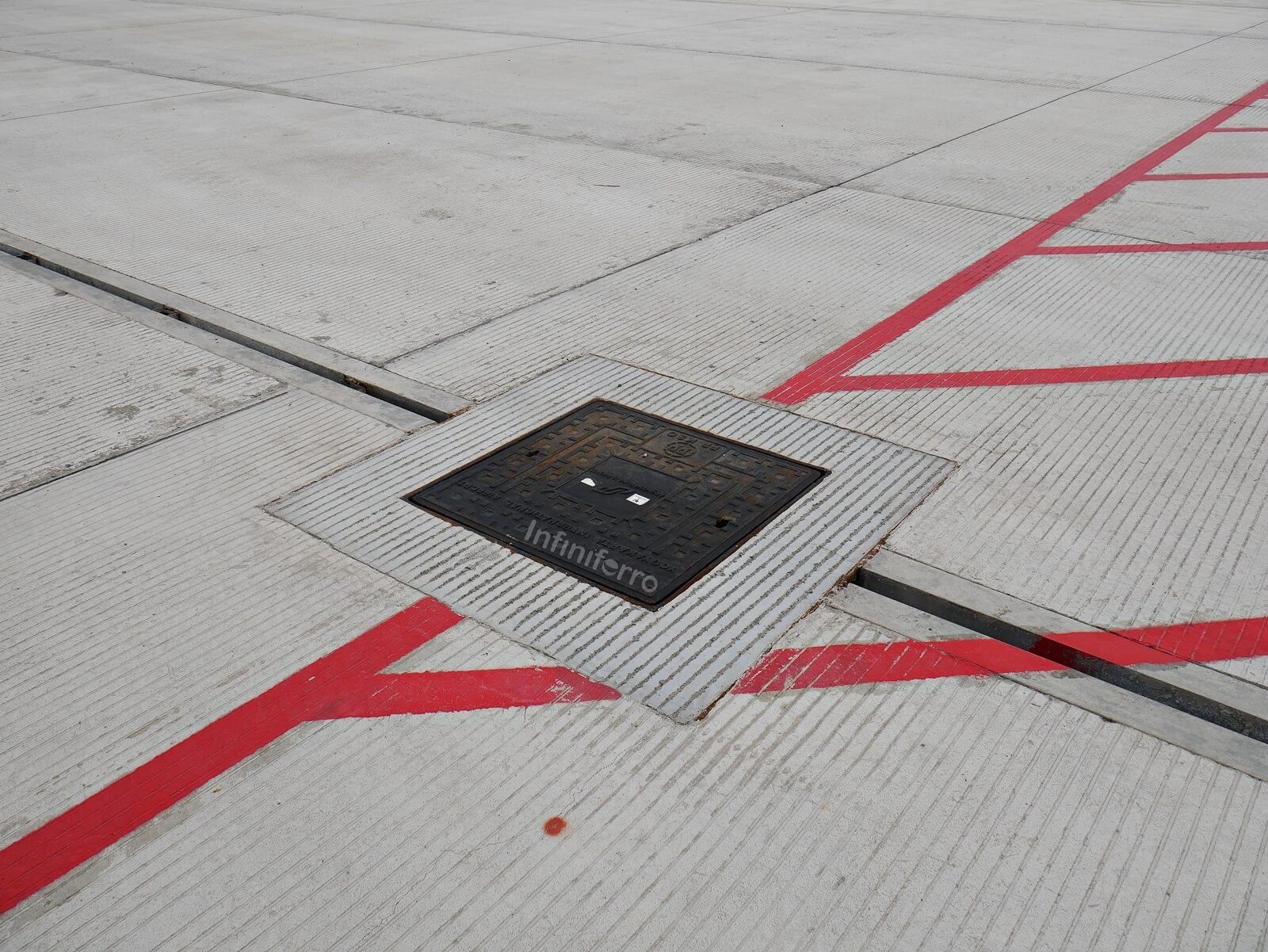
Industrial and warehouse areas can experience frequent movement of trucks, forklifts, and other heavy equipment. Therefore, drainage components installed in traffic areas need to be selected according to the expected loading conditions and site environment.
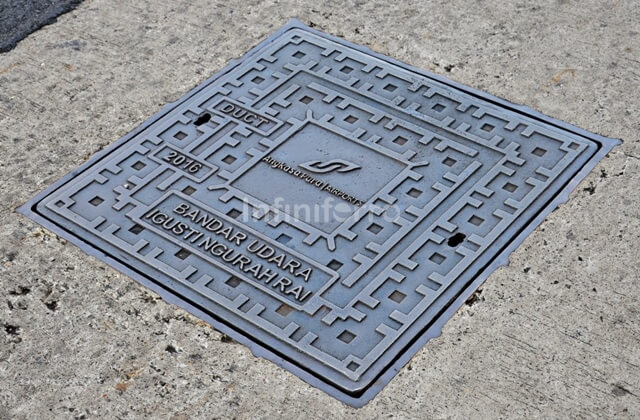
Materials such as ductile iron (FCD) and FRP can be considered for different drainage applications.
Ductile iron is suitable for areas where drainage covers need to withstand substantial loads, while FRP can be considered for applications where properties such as corrosion resistance and lighter weight are important.
The final material selection should always be based on the installation location, expected traffic, environmental conditions, and project requirements.
Selecting the Correct Load Class
Load class is another important consideration when selecting drainage covers for industrial and warehouse projects.
Areas frequently accessed by heavy trucks and other heavy vehicles require drainage covers with an appropriate load-bearing capacity. For example, D400 load class, with a load capacity of up to 40 tonnes, can be used for areas subject to heavy vehicular traffic.
For pedestrian-only areas, A15 load class may be appropriate.
The important point is to match the drainage cover’s load class with the actual conditions of the installation area. Using a cover with an unsuitable load class can increase the risk of damage and create safety issues.
Why Proper Drainage System Planning Matters for Industrial and Warehouse Areas?
Industrial and warehouse facilities in Saudi Arabia can have different drainage requirements depending on their layout, traffic, operations, and surrounding infrastructure.
Truck roads, loading and unloading zones, production areas, pedestrian paths, and warehouse surroundings may not require the same drainage solution.
For this reason, drainage planning should be carried out from the early stages of a project. Factors such as water flow, drainage capacity, drainage material, installation location, and load class should all be considered.
A well-planned drainage system helps manage rainwater more effectively, supports safer movement around the facility, and reduces the risk of standing water, operational disruption, and material damage.
For industrial facilities and warehouses, choosing the right drainage cover and drainage components is therefore not simply a matter of installation. It is part of creating a safer and more reliable site infrastructure.
Writer: Ana | Editor: Hayyu