
Blog
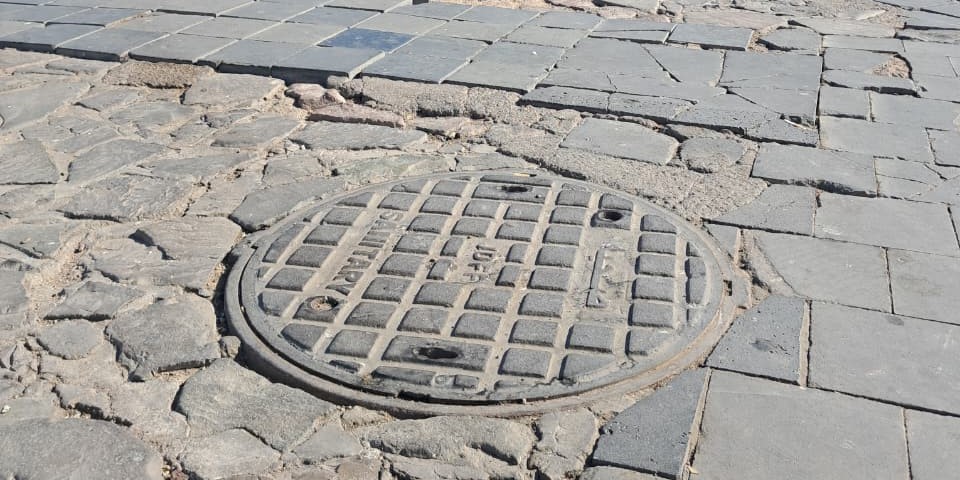
In the popular imagination, Saudi Arabia is a vast expanse of desert, characterized by scorching sun and sands that rarely touch a drop of rain. Given this extremely arid climate, a logical question arises: Do countries like Saudi Arabia truly need sophisticated drainage systems?
The answer is a definitive yes. In fact, for nations in the Gulf region, drainage systems are not merely an infrastructure luxury—they are a vital component of national security, public safety, and urban sustainability. Below is an in-depth analysis of why drainage remains a top priority in the heart of the desert.
The Phenomenon of Flash Floods in Arid Climates
The primary reason drainage is crucial in Saudi Arabia is the specific nature of desert rainfall. Rain does not fall regularly as it does in tropical regions. Instead, when it does rain, it often manifests as extreme intensity over a very short duration.
Desert soil is frequently hard-packed or crusted, resulting in very low infiltration rates (the ability of soil to absorb water). When a massive volume of water hits a surface that cannot absorb it, it creates a Flash Flood. Without a drainage system capable of channeling this instant water volume, the runoff can sweep away everything in its path, from vehicles to entire buildings.
Rapid Urbanization and Impervious Surfaces
Major Saudi cities such as Riyadh, Jeddah, and Dammam have undergone extraordinary transformations. The development of skyscrapers, expansive highway networks, and concrete parking lots has turned once-open sands into impervious surfaces.
In a natural ecosystem, sand might absorb a small portion of water. However, in a modern urban environment:
- Concrete and asphalt block water from reaching the ground.
- Rainwater accumulates on road surfaces, creating massive pools.
- These stagnant pools damage highway structures and cause total traffic paralysis, crippling the city’s economy.
Hard Lessons from the Jeddah Flood Tragedies
History has shown that neglecting drainage in arid regions can be fatal. The city of Jeddah serves as a stark example; in 2009 and 2011, catastrophic flash floods caused billions of Riyals in infrastructure damage and claimed hundreds of lives.
These events marked a turning point for the Saudi government. They realized that while rain frequency is low, the risk of disaster is exceptionally high. Since then, massive drainage projects like the Jeddah Stormwater Drainage Program (JSDP) have become national priorities, involving the construction of giant underground tunnels and dams to divert water away from residential areas.
Protection of Building Structures and Assets
Water is a primary enemy of structural stability. In regions with low humidity, building materials are often not designed to be submerged for long periods.
- Foundation Erosion: Standing water around buildings can seep into the foundations, causing soil subsidence or structural cracks.
- Pavement Degradation: Water entering the pores of asphalt weakens its chemical bonds. In Saudi Arabia, where daytime temperatures are extreme, the cycle of intense heat followed by sudden water immersion accelerates the formation of potholes and road failure.
Management of Wadis (Dry Riverbeds)
Geographically, the Arabian Peninsula is crisscrossed by Wadis—valleys or dry riverbeds that only flow during rain events. Many modern cities were built near or even across these natural water paths.
Without integrated drainage, these natural channels are often obstructed by urban sprawl. Modern drainage systems in Saudi Arabia function to “re-engineer” these paths through man-made canals, ensuring water can flow toward the sea or catchment areas without endangering densely populated districts.
Sanitation and Public Health
Drainage is not limited to stormwater; it also encompasses sewage management. In advanced infrastructure, these two systems are strictly separated.
- Primary Drainage: Manages rainwater to prevent flooding.
- Secondary Drainage: Manages domestic waste to prevent environmental contamination.
In a hot desert environment, stagnant water resulting from poor drainage can become a breeding ground for bacteria and mosquitoes within hours, risking disease outbreaks in crowded urban centers.
Innovation in Saudi Drainage Technology
The Saudi government is now adopting cutting-edge technology in drainage construction, including:
- Sustainable Drainage Systems (SuDS): Integrating “green” areas that can absorb water within the city (acting as both parks and infiltration zones).
- Giant Tunnel Boring Machines (TBM): Used to construct massive drainage tunnels beneath major cities without disrupting surface traffic.
- Digital Monitoring Systems: Sensors installed along drainage networks provide an Early Warning System if water levels reach dangerous thresholds.
Rainwater Harvesting: Turning Waste into Wealth
In a country facing severe freshwater scarcity, every drop of rain is precious. Modern drainage systems in Saudi Arabia are no longer designed just to “discard” water into the sea; they are designed to harvest it. Rainwater is directed into artificial reservoirs or injected back into underground aquifers via specialized recharge wells. This helps bolster the groundwater reserves vital for future domestic and agricultural needs.
Conclusion
A drainage system in a country like Saudi Arabia is essentially infrastructure insurance. While it may only be used to its full capacity for a few days a year, its presence determines whether a city remains functional or becomes paralyzed when extreme weather strikes.
The massive investments made by Saudi Arabia prove that the understanding of water management has shifted. Drainage is no longer about the “frequency of rain,” but about urban resilience against climate uncertainty. For other developing nations, Saudi Arabia offers a vital lesson: do not wait for the flood to arrive before building the channel.