



Blog
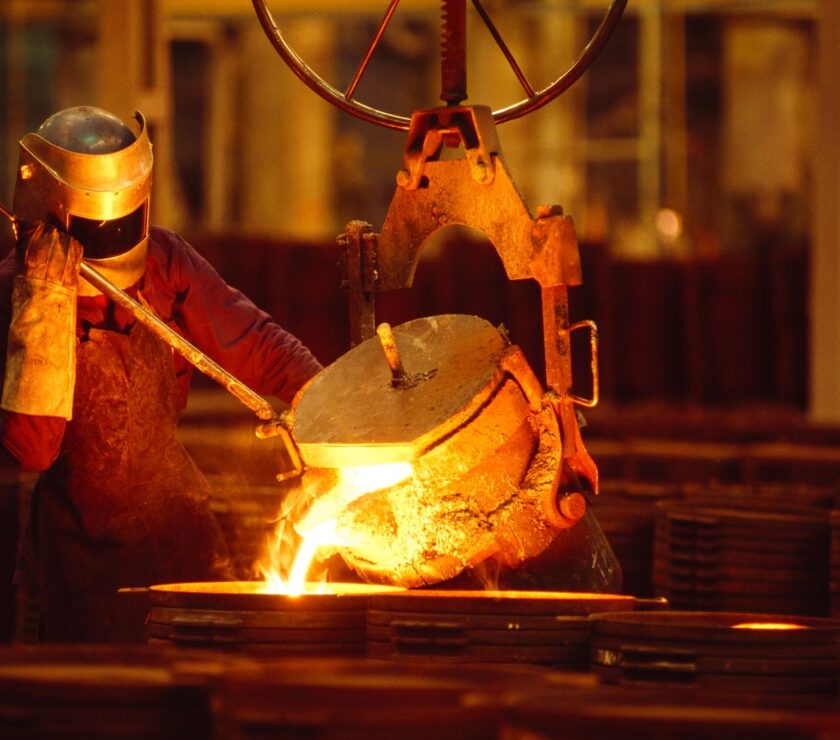
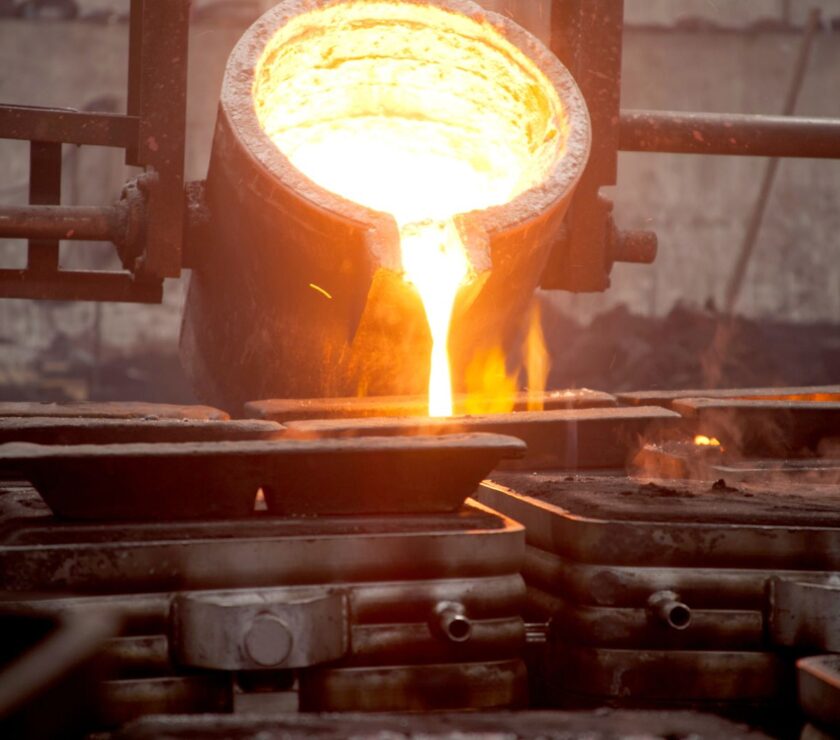
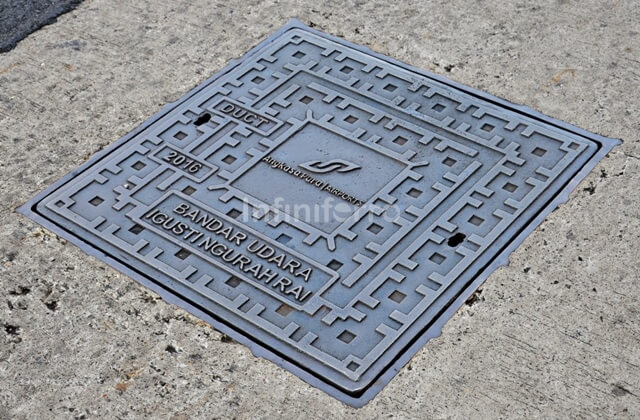
If you’ve ever seen a manhole cover on the road, heavy machine components, or large metal housings, there’s a good chance they are made from cast iron. This material has been widely used for decades because it is strong, durable, and relatively easy to manufacture through casting processes. This article discusses the types of cast iron that are often used in the manufacturing industry.
In engineering, materials are generally divided into two big groups: metal and non-metal. Cast iron belongs to the metal category and is mainly characterized by having a carbon content of more than 2.14%. This high carbon content is what gives cast iron its unique properties compared to regular steel.
Interestingly, cast iron is not just one single material. There are four main types of cast iron, each with different characteristics and applications:
- White Cast Iron
- Gray Cast Iron
- Nodular Cast Iron (Ductile Iron)
- Malleable Cast Iron
Let’s break them down one by one in a simple and easy-to-understand way.
1. White Cast Iron – Extremely Hard and Wear Resistant
If we compare materials to personalities, white cast iron would be the “tough warrior”. It is extremely hard and strong, but also brittle.
It’s called white cast iron because when it fractures, the broken surface appears white. This happens because its microstructure is dominated by cementite, which is a very hard compound.
Main characteristics:
- Extremely hard
- Excellent wear resistance
- Good corrosion resistance
- Very difficult to machine
- Almost no ductility
Because of these properties, white cast iron is commonly used in components that face heavy abrasion and friction, such as:
- Grinding balls
- Mill liners
- Heavy equipment wear parts
However, due to its brittleness, it is not suitable for parts exposed to heavy impact loads.
2. Gray Cast Iron – The Most Common and Versatile Type of Cast Iron
Gray cast iron is the most widely used type in industry. If cast iron had a “most popular” award, this would win it.
Why is it so popular?
- Easy to cast
- Cost-effective
- Dimensionally stable
- Excellent vibration damping
Its graphite structure forms flake shapes, which helps absorb vibration but makes it weaker under tensile loads. On the other hand, it performs very well under compressive loads.
Key advantages:
- High fluidity during casting
- Low shrinkage
- Good heat retention
- Good wear resistance
Common applications include:
- Engine blocks
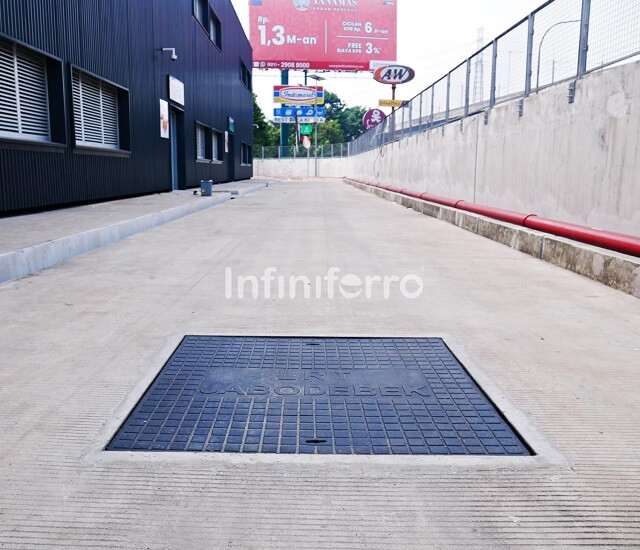
- Manhole covers
- Pump housings
- Machine bases
- Automotive components
Many heavy machine bodies use gray cast iron because it balances cost, performance, and manufacturability.
3. Nodular Cast Iron (Ductile Iron) – Cast Iron with Steel-Like Strength
If gray cast iron is good, nodular cast iron takes it to the next level. This material is also known as ductile iron because of its improved ductility and strength.
The biggest difference lies in the graphite shape. Instead of flakes, graphite forms spherical (nodular) shapes, which significantly improves mechanical strength.
Main advantages:
- Higher strength
- Better impact resistance
- Higher ductility
- Mechanical properties close to steel
Because of this, ductile iron is widely used in heavy-duty applications such as:
- Water and gas pipelines
- Heavy-duty manhole covers
- Automotive parts (gears, crankshafts, suspension parts)
- Structural components
When projects need strong material but still want to keep costs lower than steel, ductile iron is often the best choice.
4. Malleable Cast Iron – Strong but More Flexible
Malleable cast iron is quite unique. It is produced by heat-treating white cast iron to improve its ductility and toughness.
The goal is to reduce brittleness and create a more workable material.
Key characteristics:
- Relatively high strength
- More ductile than white cast iron
- Can be slightly formed or bent
Its graphite structure usually appears in cluster or rosette shapes.
Typical applications include:
- Pipe fittings
- Small mechanical parts
- Industrial hardware components
Malleable cast iron is ideal when you need strength but also some flexibility in the material.
Why Understanding Cast Iron Types Matters
In engineering and industrial manufacturing, choosing the right material is critical. The wrong material choice can lead to:
- Faster component failure
- Higher maintenance costs
- Safety risks
In simple terms:
- Need extreme hardness → Choose white cast iron
- Need cost efficiency and easy casting → Choose gray cast iron
- Need high strength + ductility → Choose nodular (ductile) cast iron
- Need strength with moderate flexibility → Choose malleable cast iron
Final Thoughts
Cast iron plays a massive role in modern infrastructure and industry. From road infrastructure to heavy machinery, it remains one of the most reliable and economical materials available.
Understanding the four main types of cast iron helps engineers, manufacturers, and even buyers make better decisions when selecting materials for specific applications. The right material choice means longer product lifespan, better performance, and improved safety.
In the end, selecting the right cast iron type is not just a technical decision — it’s also a smart economic decision.