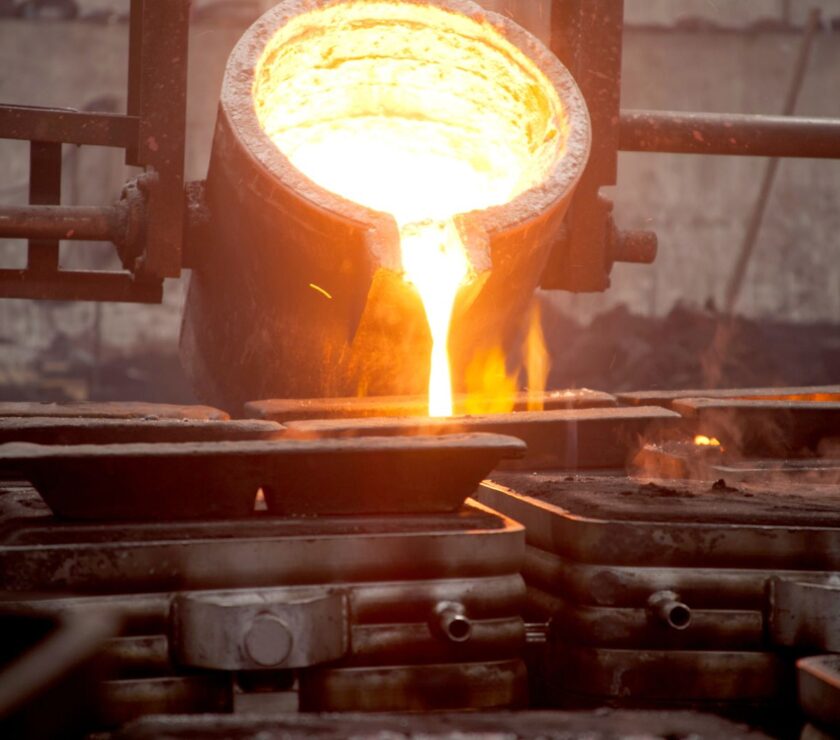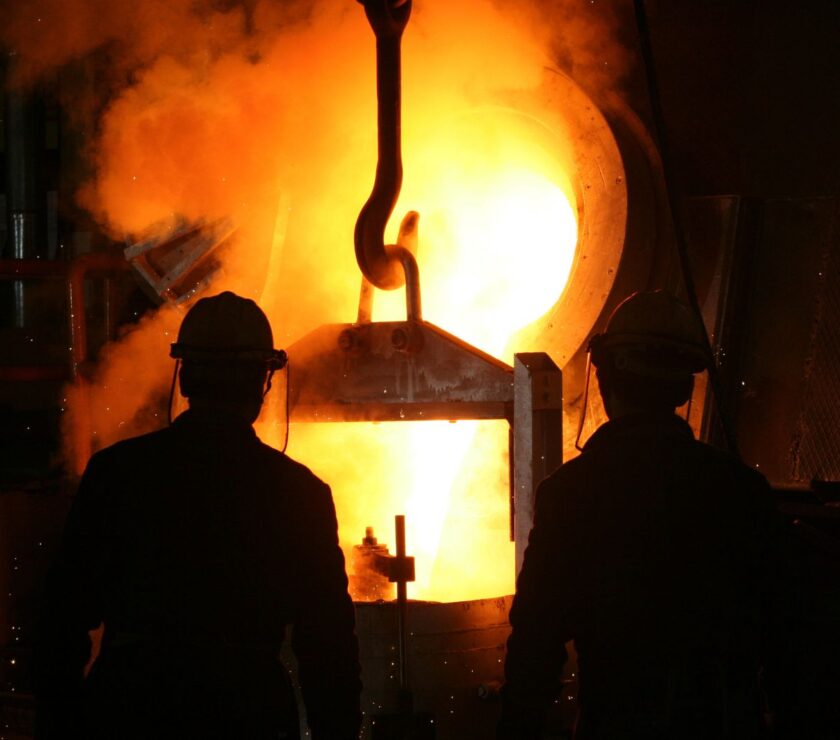



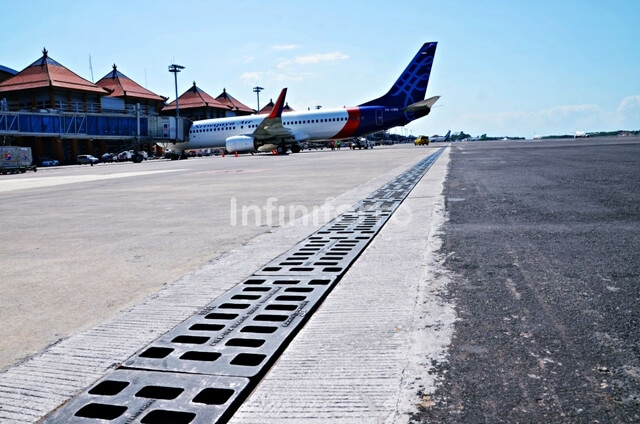

In the modern industrial world, metal casting remains one of the most essential and efficient manufacturing methods. With its ability to produce components in a wide range of sizes, shapes, and materials, metal casting is widely used across various sectors, including infrastructure, automotive, clean water systems, and drainage solutions. Below are the seven main advantages of the metal casting process that make it a preferred choice in the manufacturing industry.
1. Capable of Producing a Wide Range of Sizes
Metal casting can produce components in various sizes, from small parts such as wires with a diameter of 0.5 mm to massive objects weighing hundreds of tons.
This flexibility makes the casting process ideal for manufacturing solid and large-scale products that are impossible to make through other fabrication methods.
2. Ability to Create Complex Shapes
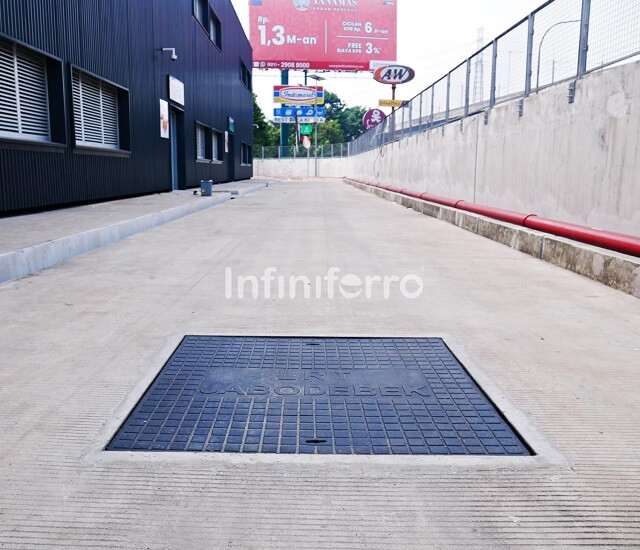
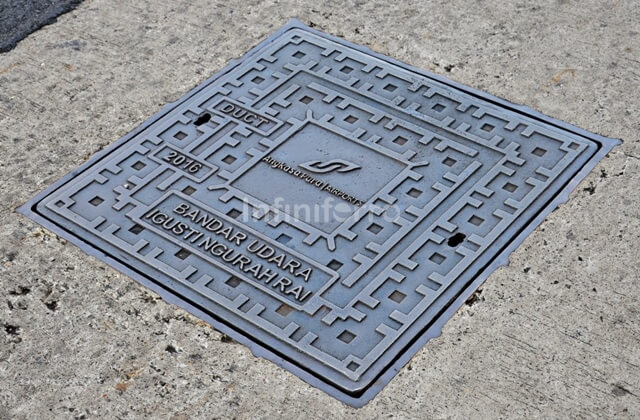
One of the major strengths of metal casting is its capability to produce complex and intricate shapes with high precision. Components that are difficult to manufacture through machining or forging, such as valve bodies, gear housings, and manhole covers, can be efficiently produced using casting techniques.
3. Efficient and Cost-Effective
From a cost perspective, metal casting is known to be highly efficient and economical. It optimizes raw material usage, minimizes waste, and reduces production costs per unit.
For large-scale projects, this method offers significant time savings and operational efficiency compared to other manufacturing processes.
4. Ideal for Prototype Development
Before entering mass production, companies often require prototypes or sample models to test design and functionality.
Metal casting is ideal for this stage because it offers flexibility and accuracy, allowing prototypes to closely resemble the final product both in form and function.
5. Wide Variety of Materials
Metal casting can be applied to a wide range of materials, from cast iron, steel, and aluminum to ductile iron, which is commonly used for water supply and drainage systems.
This versatility allows manufacturers to tailor mechanical strength, heat resistance, and durability according to the specific requirements of each application.
6. High Dimensional Accuracy
With the right mold design and precise process control, metal casting can produce components with high dimensional accuracy and tight tolerances.
Each stage of production typically includes quality control (QC) inspections to ensure the final product meets industry standards and design specifications.
7. Adaptable for All Types of Production
The metal casting process can easily adapt to various production scales, from custom orders in small quantities to mass production.
This adaptability helps manufacturers fulfill diverse project requirements while maintaining efficiency and consistent product quality.
Conclusion
With its combination of efficiency, flexibility, and precision, metal casting has become a fundamental process in modern manufacturing.
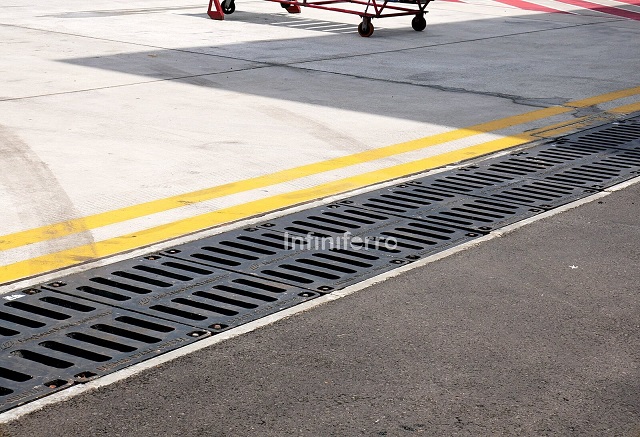
At Al Qurashi, the implementation of advanced casting technology ensures the production of high-quality components, from drainage covers (manhole covers and gratings) and ductile iron pipes to industrial and automotive parts that deliver superior strength and long-lasting performance.
Through continuous innovation and commitment to excellence, Al Qurashi remains dedicated to supporting infrastructure and industrial projects with reliable, precise, and durable metal casting products.