

BlogDrainage Covers
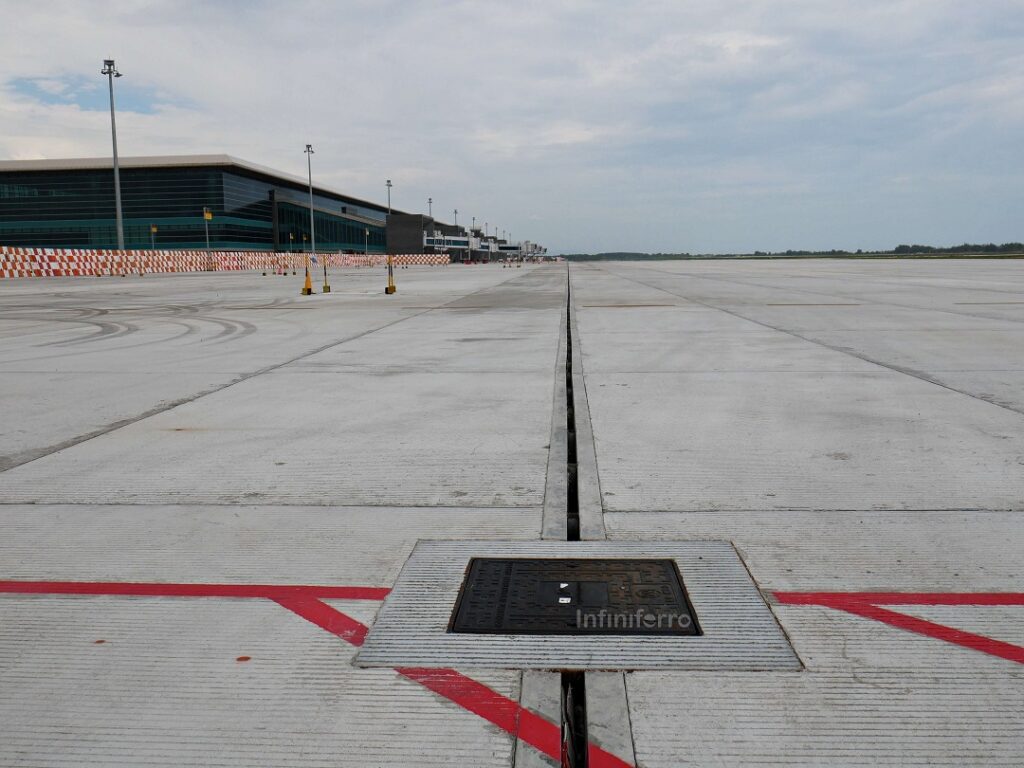
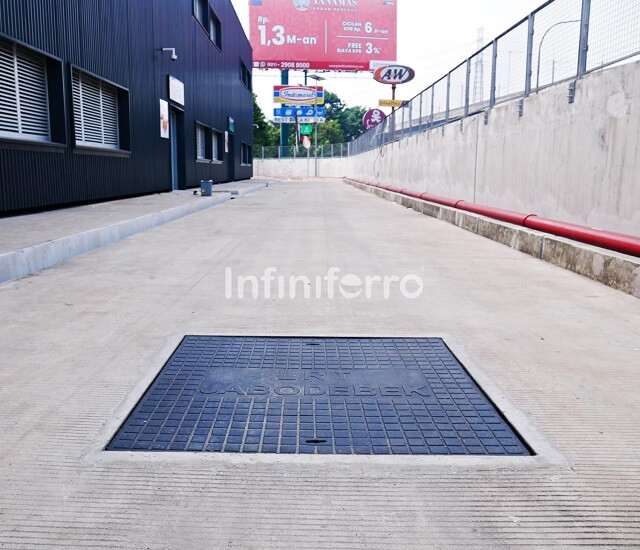
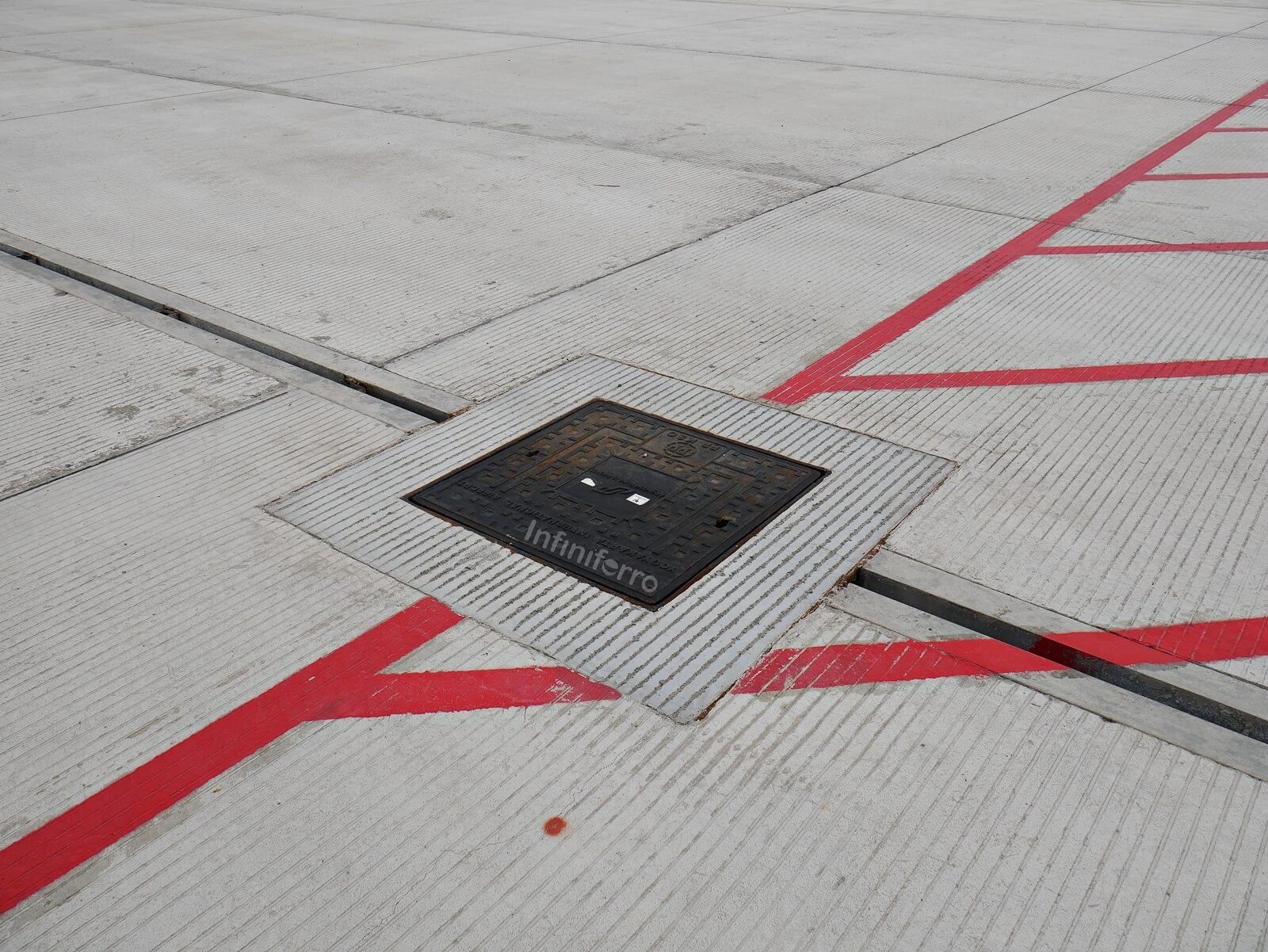
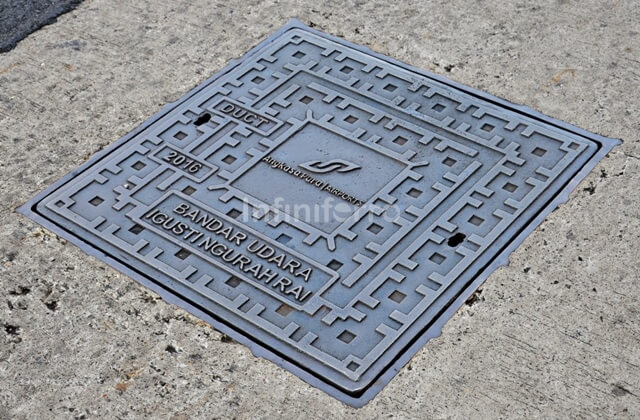
Manhole covers are a crucial part of urban infrastructure. They provide access to underground utility networks, including sewage lines, storm drains, and inspection chambers. They also support the safe movement of pedestrians and vehicles. Manhole covers also protect underground pipes and cables from unauthorized access. However, over time, changing weather, heavy traffic, moisture, and corrosion compromise the manhole cover ’s performance and service life when proper maintenance is neglected. Routine inspection and preventive maintenance help detect potential issues early and extend the lifespan of manhole covers.
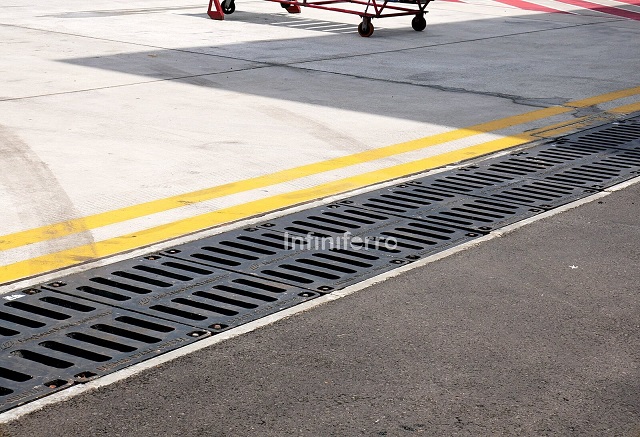
Keeping manhole covers functional for longer helps reduce the frequency of replacement and supports long-term infrastructure sustainability. These guidelines cover proper maintenance practices, key parameters that influence the lifespan of manhole covers, and some recommendations for selecting manhole covers and gratings for long-term performance.
Why Is Manhole Cover Maintenance Important?
Maintaining manhole covers involves more than just cleaning them. It includes regular inspections to check the condition of the cover and frame and detect any signs of rust, corrosion, or cracks that could affect their performance. When damage is detected early, it may be addressed before it poses a risk to vehicles or pedestrians. These problems might develop into more serious damage if ignored, increasing the likelihood of accidents.
Preventive maintenance helps address minor issues before they escalate. A simple repair is often much less expensive than replacing an entire manhole cover. Regular maintenance and high-quality manhole covers can help reduce the need for frequent replacements.
Factors That Affect the Lifespan of Manhole Covers & Gratings
1. Heavy Traffic Loads
Manhole covers in busy areas like main roads and industrial areas are exposed to repeated traffic loads, which can affect the covers over time. Vehicles of different weights, such as cars, buses, and trucks, may place different loads on the manhole cover. The greater the load, the greater the stress on the cover, and
damage may develop faster. Over time, this stress may lead to cracks or structural damage, and the cover may eventually fail. If these issues are ignored, damage may also affect the supporting frame. Choosing the right cover based on the expected load conditions also helps reduce these risks.
2. Corrosion and Moisture
Manhole covers installed on streets are frequently exposed to moisture and water from rain and humidity, which can contribute to corrosion in metal covers. When metal in the manhole cover is exposed to moisture for a long time, it reacts with oxygen to form iron oxide (rust). This causes gradual material loss, reducing the thickness of the manhole cover. This problem is serious because corrosion weakens the structure of the manhole cover, reducing its lifespan and increasing its susceptibility to further damage. Therefore, choosing a corrosion-resistant material helps reduce corrosion and lower manhole cover replacement costs in the long term.
3. Extreme Weather and Temperature Changes
Street manhole covers are repeatedly exposed to cold and heat, causing changes in the metal. In extreme heat, the metal expands, and in cold, it contracts. Repeated exposure over a long period creates stress in the metal, which may make the manhole cover more prone to cracking and deformation. With continuous cycles of expansion and contraction over time, warping and loss of flatness in the cover may develop.
4. Poor Installation
Poorly installed manhole covers may result from improper alignment of the cover and frame with the ground, the use of weak fasteners, or incorrect sizes. When vehicles pass over poorly fitted manhole covers, the weight may not be distributed evenly across the cover and frame, causing movement and vibration. Repeated loading on one area can lead to cracks in the cover and frame. Furthermore, in sewer manholes, the gaps between the manhole cover and frame may allow sewer gases to escape and rainwater to enter the system. Even high-quality manhole covers may not reach their intended lifespan if not installed and secured correctly.
5. Lack of Routine Maintenance
Manhole problems often begin with subtle signs such as a small crack, localized rust, or slight movement. If maintenance is neglected, these problems tend to go unnoticed. Simple problems with manhole covers can escalate over time into serious damage affecting safety and infrastructure performance. Cracks can also allow water to enter, accelerating product deterioration. These seemingly minor problems may require only a simple repair, while neglecting them can lead to a sharp rise in maintenance costs. Regular maintenance cannot prevent all damage, but it helps identify problems at an early stage before they negatively impact the cover’s performance and lifespan.
Essential Manhole Cover Maintenance Practices
1. Routine Inspection
A manhole cover should not only be inspected when there is an obvious problem. Inspection helps identify small cracks, rust, or even unevenness in the cover. Therefore, inspection shouldn’t be limited to the cover itself but should also include checking for gaps between the frame and the cover. A good cover can be affected by a damaged frame. Noises heard as vehicles pass might indicate movement. Small problems may worsen with continued exposure to traffic and surrounding conditions. Inspection frequency may vary depending on the site. Areas with heavy traffic or harsher site conditions may require more frequent inspections than quiet residential areas. Regular inspections don’t strengthen the metal or directly repair the damage, but they allow for early detection of defects and timely repairs, limiting the spread of damage and reducing the need for premature replacement.
2. Regular Cleaning
Dust and dirt accumulate on manhole covers due to wind. When left for a long time, they can collect in the crevices, making cracks and rust more difficult to see. Therefore, regular cleaning is important because it makes inspection and defect detection easier. It also prevents debris from accumulating around the cover and frame.
3. Corrosion Prevention
Early detection of rust allows the problem to be addressed before further deterioration and damage occur to the manhole cover structure. Therefore, protective coatings and corrosion-resistant materials can help protect manhole covers from corrosive gases such as hydrogen sulfide (H₂S). Hydrogen sulfide in wastewater environments can contribute to the formation of sulfuric acid, which is a highly corrosive substance. Using suitable corrosion protection can help reduce the effects of these harsh conditions and support the long-term performance of manhole covers.
Repair or Replace a Manhole Cover?
Not all damage requires a manhole cover replacement. Some minor damage, such as surface rust, may be addressed during maintenance. However, if deep cracks or severe corrosion affect performance and safety, repeated repairs may no longer be practical. Replacement may be a better long-term option. If a manhole cover has been repaired several times but the same problems continue to occur, repeated repair may not be the solution. The installed cover may not be suitable for this site or environment. In such cases, replacement of the cover should be considered.
Choosing High-Quality Manhole Covers for Long-Term Performance
Maintaining manhole covers is a crucial part of supporting long-term performance. Alongside maintenance, other factors are important, such as product selection. An unsuitable manhole cover or one that is unable to withstand the expected loads may have reduced performance and lifespan.
When choosing a manhole cover material, the surrounding environment should be considered because some installation sites expose covers to moisture or corrosive conditions. Materials selected for these conditions are better suited to the surrounding environment, supporting their durability and long-term performance. This can also reduce the need for frequent replacement.
A manhole cover in a pedestrian area may be suitable for light loads, but on main roads or industrial sites, a higher load-bearing capacity is required. Installing a cover unsuitable for the loads it will carry may create safety risks in traffic or industrial areas.
Paying attention to manufacturing quality, selecting appropriate materials, and choosing the correct load-bearing capacity contribute to the overall quality and long-term performance of the cover.
FAQ – Manhole Cover Maintenance
1. How often should manhole covers be inspected?
- There is no single inspection schedule suitable for every site. Inspection frequency depends on factors such as site conditions. Areas with higher traffic or harsher environments may require more frequent inspections.
2. What are the common signs of a damaged manhole cover?
- The most visible signs are cracks, rust, deformation, and unusual noise. These signs may indicate deterioration, and the manhole cover should be inspected promptly.
3. Can a damaged manhole cover be repaired?
- Depending on the damage, minor issues may be addressed, while major structural problems might require replacement of the cover.
4. How can you extend the lifespan of a manhole cover?
- Many factors contribute to extending the lifespan of a manhole cover, including regular maintenance, proper installation, suitable materials, and the correct load rating. Together, these factors can reduce early damage.
Conclusion
Regular maintenance is important to detect early signs of damage, reduce deterioration and repair costs, and reduce the need for premature replacement. Product quality and proper installation also support better performance and a longer service life for manhole covers. Combined with a load rating suitable for the expected traffic, these factors can support better long-term performance and reduce the need for frequent replacement.