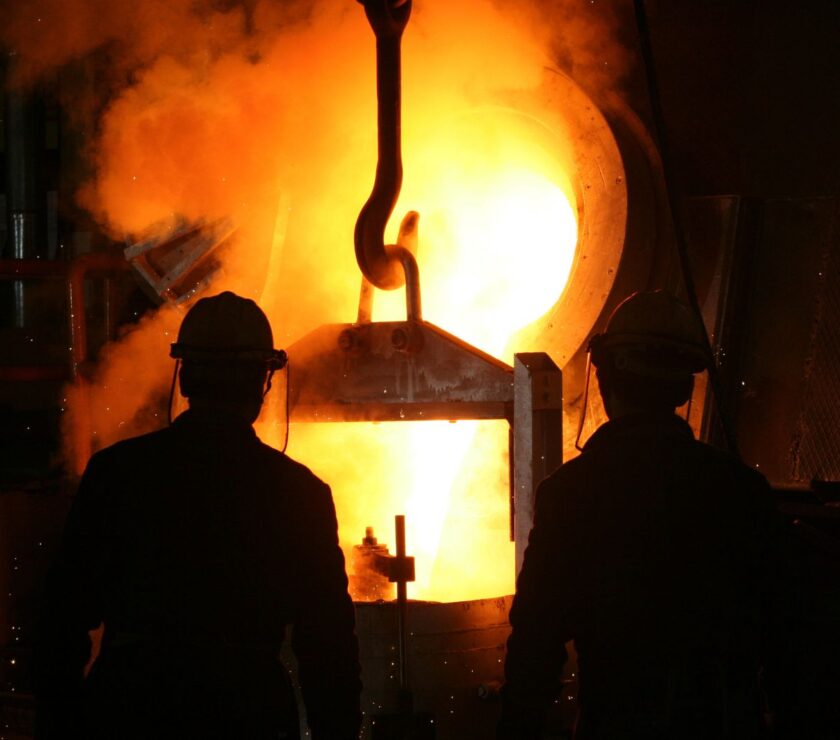




In the world of metal manufacturing, one process stands out for its efficiency and ability to produce high-quality, detailed parts is Pressure Die Casting. This method uses high pressure to inject molten metal into a metal mold (die), resulting in components with excellent dimensional accuracy and smooth surface finishes.
Let’s dive into how this fascinating process works!
What Is Pressure Die Casting?
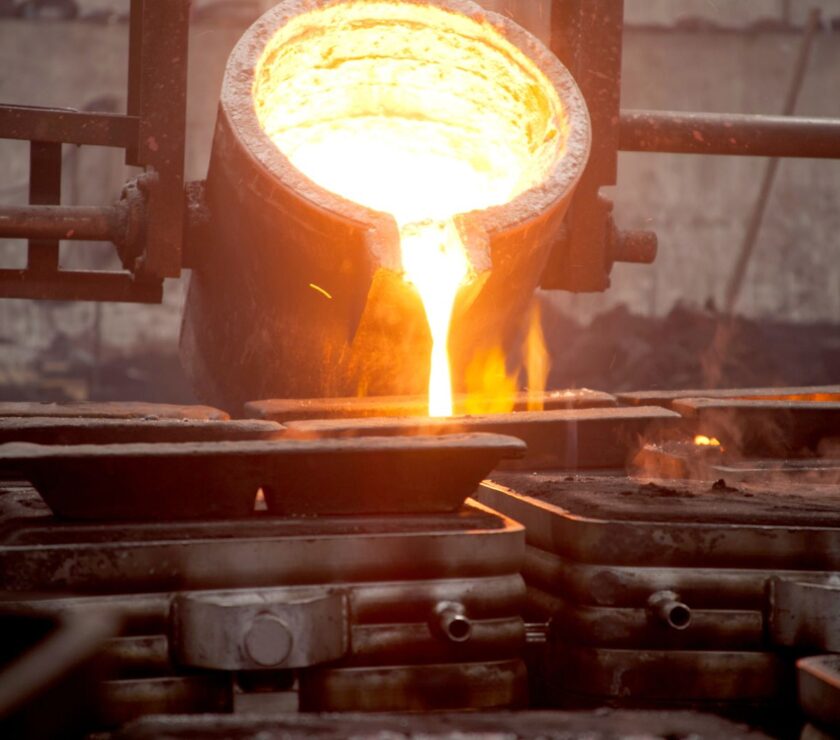
As the name suggests, pressure die casting involves casting metal under pressure. Instead of pouring molten metal into a mold by gravity, the metal is injected into a permanent metal mold using high pressure.
The mold, known as a permanent mold or die, can be used repeatedly — unlike sand molds that are destroyed after each use.
Types of Pressure Die Casting: High and Low Pressure
Depending on the pressure applied, die casting can be divided into two main categories:
- High-Pressure
Operates at pressures up to 200 bar, ideal for producing small to medium-sized parts with intricate details. - Low-Pressure
Uses lower pressure, around 2.5 bar, and is often applied to larger components such as wheels or engine parts.
Main Components of a Die Casting Machine
A die casting machine consists of three major units that work together seamlessly:
- Melting Unit
This unit melts and holds the molten metal. It typically includes a furnace that keeps the metal at a stable temperature throughout the process. - Injection Unit
The injection unit pushes molten metal from the melting chamber into the die using pneumatic or hydraulic pressure. - Die Unit (Mold)
The die — typically made of steel — consists of two parts: the fixed die and the movable die.
Once the metal solidifies, the movable die opens and ejector pins push the finished casting out of the mold cavity.

Hot Chamber vs. Cold Chamber Systems
Pressure die casting can be carried out using either the hot chamber or cold chamber system, depending on the melting temperature of the metal.
| Hot Chamber System | Cold Chamber System |
|---|---|
| The melting and injection units are integrated | The melting and injection units are separate |
| Faster cycle times since molten metal is directly injected | Molten metal is ladled from the furnace to the injection unit |
| Used for low-melting-point alloys like zinc and lead | Used for high-melting-point alloys like aluminum and magnesium |
| Injection system is always immersed in molten metal | Injection system only contacts molten metal briefly |
| Ideal for mass production of small components | Suitable for high-temperature and larger castings |
The Die Casting Process Step-by-Step
Here’s how the pressure die casting process typically unfolds:
- Mold Preparation – The movable and fixed dies are clamped together tightly to form the mold cavity.
- Filling – Molten metal is poured into the injection chamber (shot chamber).
- Injection – The plunger pushes molten metal into the cavity under high pressure.
- Cooling & Solidification – The metal cools and solidifies inside the mold.
- Ejection – The movable die opens, and ejector pins push the finished product out.
- Cleaning – The mold is cleaned and prepared for the next casting cycle.
Advantages and Applications of Pressure Die Casting
Pressure die casting is widely used because it produces parts with high dimensional accuracy, smooth surfaces, and excellent repeatability.
Common applications include:
- Automotive components: engine blocks, pistons, brake levers, wheels, and pump casings.
- Industrial equipment: compressor housings, valves, and other precision parts.
This process not only improves production efficiency but also reduces waste, as the molds are reusable.
Conclusion
Pressure Die Casting is a modern metal casting technology that combines speed, precision, and durability. With the flexibility of hot chamber and cold chamber systems, it can accommodate a wide range of metals and production needs.
From automotive components to industrial machinery, pressure die casting plays a vital role in creating durable, high-quality metal parts that power industries around the world.